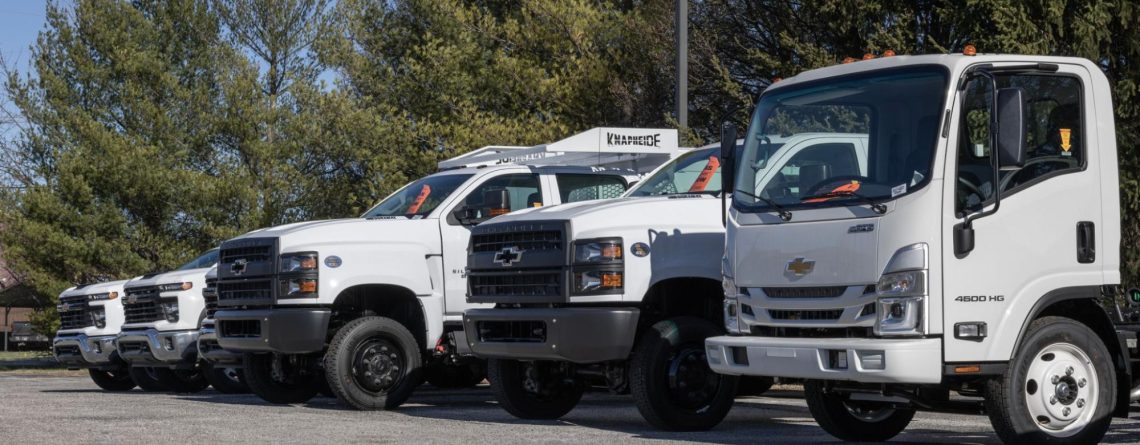
Standardizing Power Across a Mixed Commercial Fleet
The Short Answer: Standardizing power across a mixed commercial fleet means picking a small set of pure sine wave inverters, battery voltages, and mounting formats that cover most of the fleet, then speccing those same units on every new build and every replacement. A fleet vehicle power inverter platform built this way cuts parts inventory, simplifies tech training, and makes sure every driver has the same reliable power for tools, laptops, telematics, and onboard equipment.
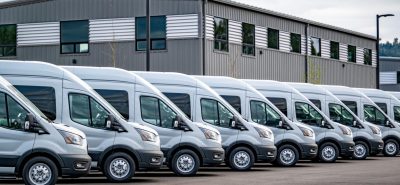
Fleets grow one vehicle at a time. A service truck gets a 1500W inverter one year, a delivery van gets a different brand at a different voltage the next, and the box truck added last quarter runs a 3000W setup nobody has serviced yet. After a few years, the fleet ends up with five inverters from three manufacturers on four mounting formats, and the shop keeps parts for all of them.
Standardizing power fixes that by treating inverters as a fleet-wide platform, not a per-vehicle decision. We break down why mixed fleets drift into mixed systems, what a standardized spec looks like, and how to handle real differences between vehicle types without breaking the standard.
Why Mixed Fleets End Up With Mixed Power Systems
Most fleets do not set out to run five different inverter setups. They inherit them. Vehicles come from different OEMs, get upfitted at different shops, and enter service years apart. Each build reflects what was available, what the upfitter usually installed, or what the driver requested at the time. None of it is wrong on its own, but it’s not coordinated across the fleet.
The result is a working system inside each vehicle and a fragmented system for the fleet manager. Different battery chargers charge to different voltages. Different inverter brands respond differently to load dumps on the vehicle electrical system. A tech trained on one platform has to figure out another on the side of the road. When one fails, the shop needs the right replacement parts for that specific unit, and the vehicle sits useless until they arrive.
The Cost of Not Standardizing
The visible costs are downtime and cost of parts. The hidden costs are worse and add up faster.
- Parts inventory grows with every added SKU. Five different inverters mean five sets of fuses and remote panels.
- Diagnosis time climbs when techs have to identify which unit they are looking at before they can start troubleshooting.
- Warranty handling splits across multiple manufacturers, each with their own RMA process and support hours.
- Driver experience varies vehicle to vehicle, so the same job feels different and takes longer in the wrong truck.
- New upfits cost more because every build starts from scratch instead of applying a proven spec sheet.
None of these show up as a line item. They show up as slower repairs, more truck rolls, and quiet inefficiency across the fleet.
What Standardized Fleet Power Spec Actually Looks Like
Standardization does not mean one inverter for every vehicle. It means a defined platform with a few clear rules that every new build follows. A fleet-wide spec typically covers five things.
Pure Sine Wave Output
Every vehicle in a fleet carries some form of sensitive electronics: laptops, tablets, telematics units, mobile printers, scanners, or medical equipment on an emergency vehicle. All of them expect consistent, low-DHR AC power. A pure sine wave inverter is the base of a fleet standard for exactly this reason. It removes a whole category of field failure possibilities at the source.
Battery Voltage
Most passenger cars, light trucks, and vans run 12V vehicle electrical systems, so 12V is the default fleet standard. Larger commercial vehicles and some utility vehicles run 24V or 48V. If the fleet mixes both, a wide-input inverter or a DC-DC converter step can bridge them without requiring a second inverter platform.
Wattage Tiers
One inverter size does not cover everything. Instead, most fleets pick two or three tiers that cover 80% or more of their vehicles. A small tier for cabin electronics, a mid tier for tools, and a large tier for full mobile shops or refrigeration.
Certification and Duty Cycle
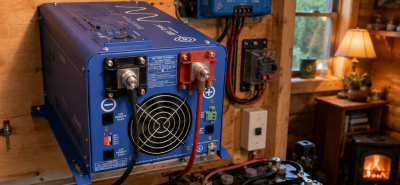
AIMS Power’s ETL listed inverters are certified to UL 458 or UL 1741, so the paperwork is already done when a fleet spec calls for it. Pair that with a duty cycle rating that matches how the vehicle actually runs, whether the inverter cycles briefly at each stop or holds continuous load for a full shift.
Picking Wattage Tiers That Cover the Fleet
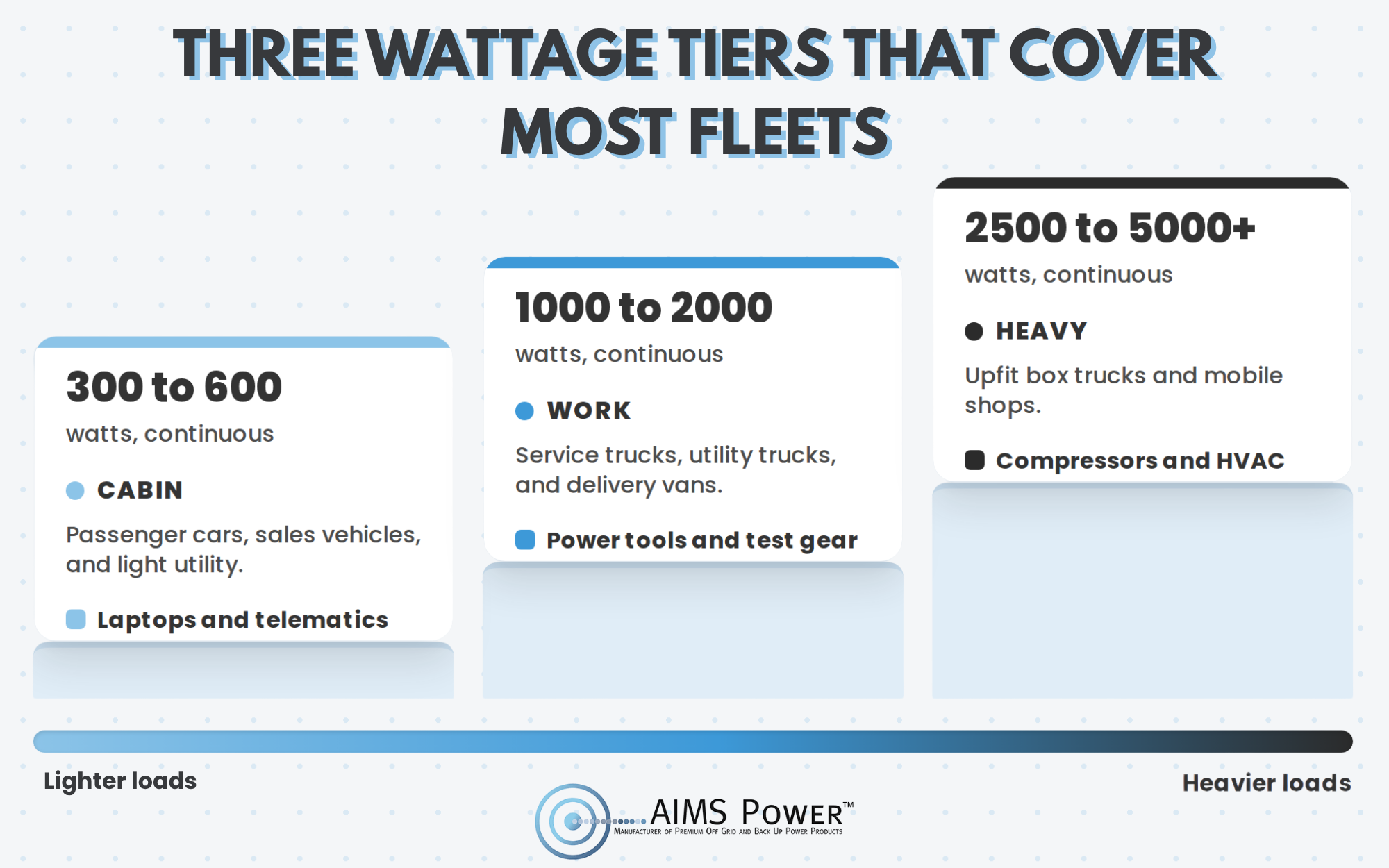
Most mixed fleets fit inside three inverter tiers. The table below shows how they usually break down by vehicle type and load:
Tier | Typical continuous power | Vehicle types | Loads its powers |
Cabin | 300 to 600W | Passenger cars, sales vehicles, light utility | Laptops, tablets, chargers, telematics, small printers |
Work | 1000 to 2000W | Service trucks, utility trucks, delivery vans | Power tools, test equipment, small compressors, task lighting |
Heavy | 2500 to 5000W and up | Utility trucks, upfit box trucks, mobile shops | Air compressors, welders, refrigeration, rooftop HVAC |
A fleet that picks one unit per tier and specs it across every new build brings the total inverter SKU count from five or six down to three, without giving up capability on any vehicle.
Handling Vehicle Differences Without Breaking the Standard
Vehicles inside a fleet still differ in ways that matter to a power system: alternator capacity, vehicle battery type, cab space, and whether the vehicle has an auxiliary battery at all. A fleet standard has to bend around those differences without letting them proliferate into new inverter SKUs.
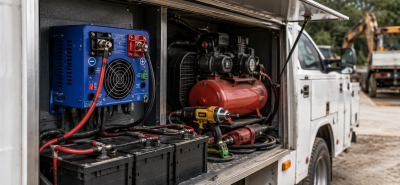
The usual pattern is to keep the inverter tier fixed and let the supporting components vary. A vehicle power inverter in the same wattage tier can sit on top of multiple different battery banks, DC-DC chargers, and mounting locations without changing the inverter itself. That keeps the tech-facing platform consistent while letting each vehicle carry the auxiliary hardware it needs.
Two main components make this practical.
DC-DC Converter
A DC-DC converter on each vehicle regulates charging from the alternator into the auxiliary battery that feeds the inverter. Different alternators can feed the same auxiliary battery voltage through the right converter.
Inverter Charger
An inverter charger on vehicles that connect to shore power (overnight yard charging, for example) combines inversion and battery charging in one unit so the fleet does not carry a separate battery charger SKU.
The Benefits of a Standardized Platform
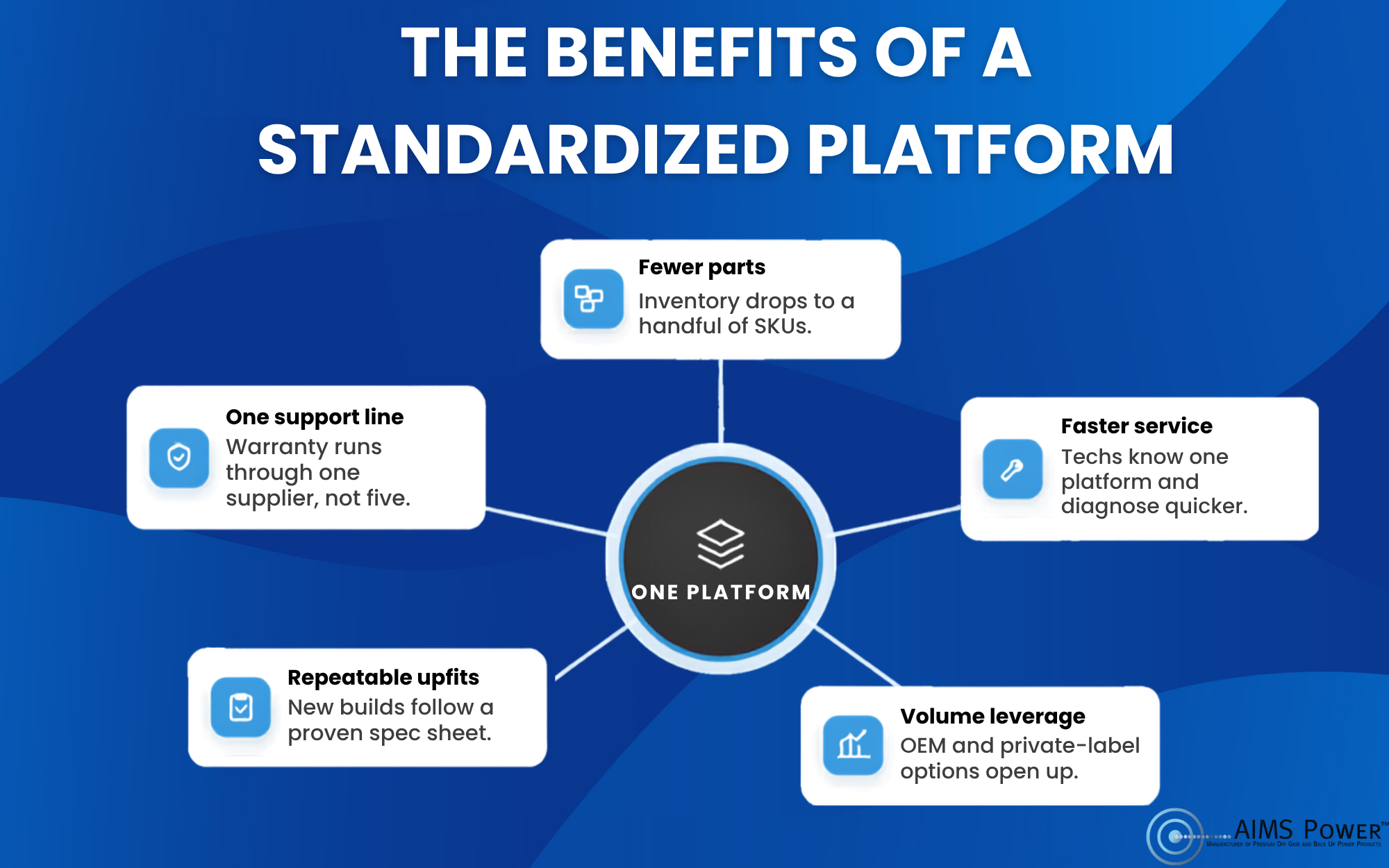
The benefits show up in the shop first and in the total cost of ownership over years.
- Parts inventory drops to a handful of SKUs the shop keeps in stock.
- Techs only have to learn one platform and diagnose it faster on every truck.
- New upfits use a proven build sheet instead of starting from a blank page.
- Warranty and technical support run through one manufacturer relationship, not five.
- OEM and private-label options open up on volume, since one supplier is covering a bigger share of the fleet.
For fleet managers working to reduce downtime and per-vehicle upfit cost, standardizing the power platform is one of the cleaner wins available.
Standardize Your Fleet Power With AIMS Power
AIMS Power is a U.S. based manufacturer with more than 30 years building power conversion equipment, backed by in-house technical support. We build pure sine wave inverters, inverter chargers, DC-DC converters, and deep cycle batteries in the wattage tiers that cover cabin, work, and heavy fleet use, all designed to hold up in commercial vehicle environments. For fleets, upfitters, and OEMs specing a consistent build across a mixed fleet, one supplier handling the inverter, charger, and battery side simplifies the platform end-to-end.
If you are standardizing power across a commercial fleet, contact AIMS Power to spec the platform for your vehicle mix, or ask about OEM and volume options. To see the equipment first, browse the AIMS Power inverter collection and start matching output and voltage to your fleet tiers.